
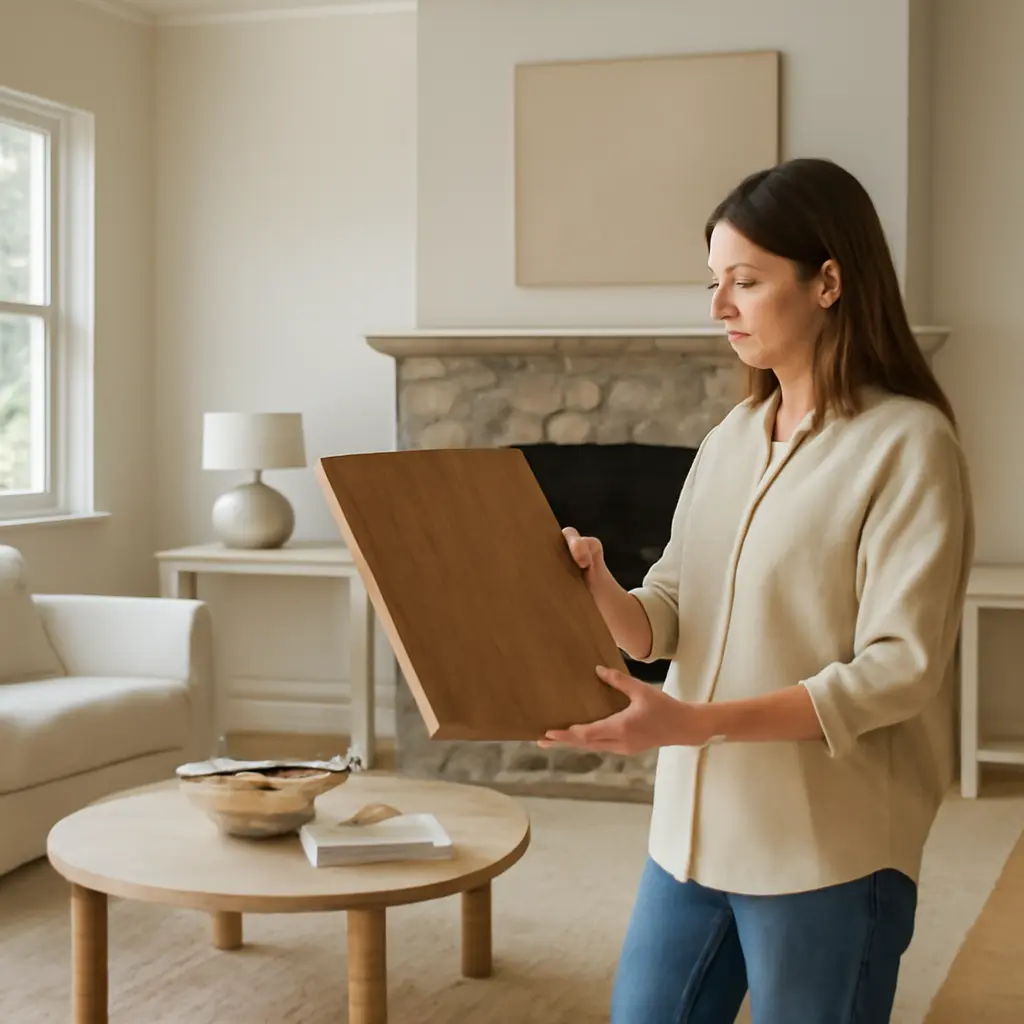
In high-end home design, longevity means creating spaces that remain useful, comfortable, and visually compelling as tastes and household needs change. It is not a single style or a promise that nothing will ever need repair; it is a design approach built around durable materials, adaptable layouts, skilled maintenance, and choices made for the people who live in the home. That approach matters in a market where homeowners are making substantial investments: Harvard’s Joint Center for Housing Studies reported that U.S. remodeling and repair spending reached an estimated $472 billion in 2022. A lasting interior can help protect that investment by prioritizing function and craftsmanship over short-lived trends.
Longevity as a High-End Home Design Attribute
Longevity in residential design is the capacity of a home’s spaces, materials, and systems to serve occupants well over time, with reasonable care and without requiring frequent, trend-driven replacement. There is no single formal industry definition of “timeless design.” In practice, the concept draws on established ideas such as durability, adaptability, maintainability, and universal design. The U.S. Environmental Protection Agency’s sustainable materials guidance, for example, encourages choosing products that last and reducing waste through reuse and responsible purchasing.
For a high-end home, longevity is therefore more than selecting expensive finishes. It means deciding where quality has the greatest effect, ensuring rooms can accommodate changing routines, and reserving distinctive details for elements that can be repaired or updated. Its related approaches include durable-material design, adaptable planning, timeless aesthetics, and stewardship through maintenance.
Durability and life-cycle thinking
Durability is a material’s ability to withstand expected use while retaining its function and appearance. Life-cycle thinking expands that view: instead of considering only the purchase price, it weighs installation, upkeep, repair, replacement, and disposal. A stone countertop may cost more initially than a lower-cost alternative, but its value depends on the stone type, fabrication, sealing needs, and whether the household will maintain it appropriately.
The National Institute of Standards and Technology emphasizes that building performance depends on the interactions among materials, components, and operating conditions. That principle applies inside the home as well: a beautiful finish may not last if it is poorly installed, exposed to unsuitable moisture levels, or incompatible with daily use. Specifications, warranties, and maintenance instructions are useful evidence when comparing options.
Adaptability and universal design
Adaptability is the ability of a space to support different activities or changing needs without major reconstruction. Universal design aims to make places usable by people with a broad range of ages and abilities. In a private home, these ideas may appear as wider circulation routes, lever-style handles, step-free access where feasible, layered lighting, and bathrooms planned for future safety as well as present comfort.
The U.S. Census Bureau’s American Community Survey provides data on disability and household characteristics that help illustrate why accessibility is relevant to housing decisions. A home designed with clear circulation and flexible use can serve residents and visitors more comfortably, while reducing the likelihood that a later life change will require an expensive renovation. The strongest solutions integrate access into the architecture rather than treating it as an afterthought.
Timelessness without stylistic sameness
Timelessness is not a requirement to use neutral colors or avoid personality. It is the practice of placing enduring value in proportion, natural light, quality joinery, coherent material relationships, and a layout that reflects how occupants actually live. A home can still include bold color, art, or sculptural lighting; the key is to use trend-sensitive elements in ways that can be refreshed without dismantling the room.
This distinction is especially important in luxury interiors, where custom work can be costly to replace. A richly veined stone, for instance, can provide distinctive character, while a fashionable cabinet color may be easier to change through repainting. Separating the permanent framework from more changeable layers gives residents room to evolve the home over time.
Material Selection for Lasting High-End Interiors
Material selection translates the goal of longevity into choices that can be assessed, specified, and maintained. The relevant attributes are not simply “natural” or “premium”: performance depends on the material’s intended use, manufacturing quality, installation, exposure, and repairability. A contextual bridge follows from design principles to procurement: once a home’s priorities are clear, each surface should be judged against the conditions it will actually face.
Natural materials and patina
Natural materials such as wood, stone, wool, and metal can develop a patina—a visible change caused by age and use that some owners value as part of the material’s character. This is different from damage that compromises performance. Wood species vary in hardness and stability; stone types vary in porosity and resistance to acids and staining. Responsible specification means matching each material to its setting and understanding its care requirements before installation.
The Forest Stewardship Council’s certification system is one way buyers can seek evidence that wood comes from responsibly managed sources and controlled supply chains. Certification does not, by itself, guarantee that a particular product will suit a project or last indefinitely. It complements technical checks such as grade, finish, moisture content, installation detail, and the availability of replacement or repair materials.
Craftsmanship, repair, and replaceable components
Repairability is the ability to restore an item or assembly rather than replace it wholesale. In a high-end home, this can mean choosing solid or well-constructed cabinetry, specifying hardware that can be serviced, retaining product documentation, and using flooring or wall finishes that allow local repair. Skilled installation is equally important: poorly detailed transitions, inadequate substrate preparation, or insufficient ventilation can shorten the life of otherwise excellent materials.
The National Association of Home Builders’ life expectancy guidance for common home components shows that service life varies substantially by product and conditions. Such estimates are planning references, not guarantees. Homeowners should ask designers and contractors which parts can be repaired, whether matching materials will remain available, and what preventive maintenance the manufacturer requires.
Responsible sourcing and indoor health
Responsible sourcing considers a product’s origin, manufacturing impacts, durability, and end-of-life options. Indoor health adds another dimension: finishes, adhesives, and composite products can affect indoor air quality, especially during and after installation. The U.S. Environmental Protection Agency identifies indoor air pollution as a concern and recommends source control and adequate ventilation as important strategies.
For project teams, practical steps include reviewing emissions certifications where relevant, selecting products suited to the room’s moisture and ventilation conditions, and following curing and ventilation instructions. A product’s environmental label should be evaluated alongside performance documentation; a low-emission product is not automatically durable, and a long-lasting finish still needs to be appropriate for its intended use.
Planning High-End Spaces for Changing Needs
Even the most durable materials cannot make a poorly planned room function well. Spatial planning connects longevity to everyday experience by organizing circulation, storage, light, acoustics, and services so that the home can accommodate changing habits. This is where a design team can protect long-term value before finishes are purchased: layouts and infrastructure are generally more disruptive to alter later than furnishings or paint.
Flexible rooms and infrastructure
A flexible room is planned to support more than one use over its life, such as a study that can become a guest room or a play area that can later serve as a reading space. The design may rely on adequate electrical outlets, data access, built-in storage, and lighting that works for different tasks. Movable furnishings and discreet storage can provide flexibility without making the room feel unfinished.
Infrastructure deserves special attention because technology and household routines change. Conduit, accessible service panels, and thoughtfully located power and data connections can make future upgrades less invasive. The U.S. Department of Energy’s guidance on home energy improvements also underscores the value of considering systems as a whole; insulation, air sealing, heating, cooling, and ventilation interact, so piecemeal changes may not deliver the intended comfort or efficiency.
Lighting, comfort, and sensory quality
Long-lasting design must support how a space feels as well as how it looks. Layered lighting combines ambient, task, and accent illumination; controls allow residents to adapt brightness to activities and time of day. Comfort also depends on thermal conditions, daylight, glare, acoustics, and ventilation. These qualities are often less visible in photographs than finishes, but they shape whether a room remains pleasant to use.
The U.S. Department of Energy notes that lighting accounts for a meaningful share of household electricity use, although the amount varies by home and equipment. Efficient lamps and controls can reduce energy demand, while a well-designed lighting plan can limit the need for later fixture changes. When specifying lighting, designers should consider color quality, dimming compatibility, maintenance access, and the availability of replacement components.
A real-world approach: renovate what works, improve what does not
A useful case-study pattern is the selective renovation: retain sound architectural elements, repair valuable finishes, and direct new investment toward demonstrable problems such as poor circulation, inadequate storage, or inefficient systems. This avoids treating every older feature as obsolete. The National Trust for Historic Preservation has long advocated evaluating existing buildings for reuse, reflecting the broader principle that preserving serviceable construction can conserve materials and retain cultural character.
For example, a homeowner might keep well-made original doors and flooring, refinish them where appropriate, and update the kitchen’s work zones, ventilation, and lighting. The decision should follow an inspection: historic or existing materials may contain hazards, and not every element is suitable for reuse. A qualified professional can assess condition, code requirements, energy performance, and the likely cost of repair versus replacement.
Measuring Longevity Through Value and Stewardship
Longevity is best evaluated through several indicators rather than appearance alone: expected service life, repair options, maintenance burden, adaptability, energy and water performance, and occupant satisfaction. These measures help distinguish a genuinely lasting investment from a costly item that merely signals luxury. The following practices turn those indicators into an ongoing stewardship plan.
Compare total cost, not only purchase price
Total cost of ownership includes purchase, installation, routine care, repair, energy or water use where applicable, and eventual replacement. A lower initial price may be economical if the product is easy to repair and performs well; a higher price may be justified when it brings a longer service life or superior fit for the home. Project teams can compare options using manufacturer documentation, contractor estimates, and realistic maintenance schedules rather than unsupported claims of permanence.
The Harvard Joint Center for Housing Studies’ estimate of $472 billion in U.S. remodeling and repair spending in 2022 demonstrates the scale of investment in existing homes. That national figure does not show that durable design alone reduces spending, but it reinforces why homeowners benefit from planning renovations carefully and making decisions that account for future upkeep.
Create a maintenance and documentation plan
A maintenance plan records what each material or system needs, how often it should be checked, and who is responsible. Keep product names, finish schedules, warranties, installation records, and care instructions in one accessible place. Periodic inspections can catch small issues—such as a leaking fixture, failed sealant, or blocked ventilation path—before they damage adjacent materials.
The plan should reflect actual manufacturer recommendations and local conditions, not a generic calendar alone. Coastal air, heavy household use, intense sunlight, and high humidity can change maintenance needs. Documentation also supports future repairs by helping a later contractor identify compatible parts and finishes.
Conclusion: Design for the Life of the Home
Designing high-end homes for longevity means bringing together durable and repairable materials, adaptable planning, thoughtful lighting and comfort, responsible sourcing, and consistent maintenance. Longevity does not require a trend-free or impersonal interior. It asks designers and homeowners to distinguish enduring structure from changeable decoration, and to invest in the elements that make a home work well over time.
Before beginning a project, document how the household uses each space, identify what should be preserved, and ask professionals to compare options by performance, life-cycle cost, repairability, and care requirements. The result is not simply a home that looks current for longer, but one that can adapt with its occupants while making more considered use of materials and money.
Sources: Harvard Joint Center for Housing Studies, Improving America’s Housing 2023, https://www.jchs.harvard.edu/improving-americas-housing-2023; U.S. Environmental Protection Agency, Sustainable Materials Management Basics, https://www.epa.gov/smm/sustainable-materials-management-basics; National Institute of Standards and Technology, Building Materials and Systems, https://www.nist.gov/el/building-materials-and-systems; U.S. Census Bureau, American Community Survey, https://www.census.gov/programs-surveys/acs; Forest Stewardship Council, What Is FSC Certification?, https://fsc.org/en/what-is-fsc; National Association of Home Builders, Study of Life Expectancy of Home Components, https://www.nahb.org/news-and-economics/housing-economics/special-studies/study-of-life-expectancy-of-home-components; U.S. Environmental Protection Agency, Introduction to Indoor Air Quality, https://www.epa.gov/indoor-air-quality-iaq/introduction-indoor-air-quality; U.S. Department of Energy, Home Energy Assessments, https://www.energy.gov/energysaver/home-energy-assessments; U.S. Department of Energy, Lighting Choices to Save You Money, https://www.energy.gov/energysaver/lighting-choices-save-you-money; National Trust for Historic Preservation, Reuse and Reinvestment, https://savingplaces.org/